Hi friend! If you're here, you're a creative, entrepreneur, or business owner looking to build a stronger online presence. Welcome, you're in the right place!
I share everything I know about website design and digital marketing, covering both service-based businesses and e-commerce brands.
My sweet spot is blending intentional visual design with clear, compelling content to create websites that do more than look good. They build trust, attract the right people, and turn visitors into clients and customers.
Ready to collaborate? Contact me to schedule a free 30-minute call.
Janelle Cassiano
Website Customer Experience: Does Your Website Offer the Same Hospitality You Would Give In Person?
Read time: 8 minutes. Your physical space is welcoming, your staff is warm, and your customer experience is dialed in. But what does your website communicate when no one is watching? Learn five reasons why digital hospitality matters as much as in-person service, and what a more intentional, human website experience can do for your business.
Most Businesses Invest Heavily in Creating a Welcoming Physical Space, then Build a Website That Feels Like Walking Into an Empty Warehouse With a “Figure It Out Yourself” Sign at The Door.
Think about the last time you walked into a store and felt genuinely welcomed. Maybe someone greeted you with a warm smile. Asked if you needed help finding anything. Offered their knowledge when you looked confused. Made you feel like a valued guest, not just another transaction.
Now think about the last website you visited that made you feel that same way.
The big question worth asking: does your website offer the same level of hospitality you provide in person? Or is it quietly leaving visitors feeling like a sales number, frustrated, or ignored?
Digital hospitality is not about fancy technology or expensive chatbots. It is about translating the warmth, clarity, and helpfulness of great in-person service into a digital experience. It is about making every visitor, whether they are browsing at 2 AM or during their lunch break, feel like you actually care about helping them.
Because here is what most business owners miss: website customer hospitality is not just about answering questions. It is about anticipating needs, removing friction, and creating an experience that makes someone think, “Yes. This is exactly who I want to work with.”
Here are five reasons why the website customer experience needs to shine through on your website just as brightly as it does when someone walks through your door.
Reason 1: Your Website Never Gets a Second Chance to Make a First Impression
When someone walks into your physical location, you have time to recover from a less-than-perfect first impression. A friendly staff member can compensate for a cluttered entryway. The human element covers a lot of ground.
Online, you get about 3 to 15 seconds. That is how long it takes a visitor to decide whether you are professional, trustworthy, and worth their time. Fifteen seconds before they either stay or click back to Google and try your competitor.
Think about what traditional hospitality looks like in those first moments of entering a business, and what its digital equivalent needs to be:
- A clean, welcoming environment becomes a clutter-free homepage that does not overwhelm visitors with too many competing messages at once.
- Clear signage becomes intuitive navigation that tells people exactly where to go for what they need, with obvious pathways for first-time visitors.
- A friendly greeting becomes copy that sounds like a real human talking, not a corporate script.
- A matching atmosphere becomes design, color, and imagery that accurately reflects who you serve. A wellness practitioner’s site should feel calm. A wedding photographer’s site should feel joyful and elegant. A business consultant’s site should feel confident and clear.
When these elements align, you are practicing digital hospitality. When they do not, you are the online equivalent of a store with broken windows and no one at the front desk.
Reason 2: People Judge Your Business by How Easy You Make It to Get Help
Here is a scenario that plays out on websites every single day. Someone lands on a site they are genuinely interested in. They have a question. They look for a way to reach the business. And they cannot find it. The contact information is buried in the footer in tiny text. The contact page is three clicks deep. The form has no indication of when, or whether, anyone will respond.
So they leave. And they book with someone whose website makes it easy.
In a physical location, you would never hide from your customers. Your website should offer the same accessibility.
Practical digital hospitality here looks like:
- Contact information that is easy to find. Your address, email, and phone number visible in the footer and on a dedicated contact page, not hidden behind a puzzle.
- Multiple ways to reach you. Some people want to call. Others prefer email. Many would text. Offering two or more options removes the friction of having only one path.
- Clear expectations on your contact form. A simple line like “I personally read every message and respond within 24 hours” manages expectations and builds trust before you have even spoken.
- Warm automated responses. If you use an auto-responder, make it human. Not “Your inquiry has been received and will be processed” but “Thanks so much for reaching out. I will get back to you within 24 hours.”
The businesses winning online are not necessarily the ones with the most features. They are the ones that make it easy to get help when you need it.
RELATED POST: How To Simplify Client Bookings
Reason 3: Your Website Should Answer Questions Before They Are Asked
Great hospitality is anticipatory. The best servers notice your water glass is empty before you ask. The best retail associates offer help before you have to flag them down. Your website needs to be just as observant, through strategic content and thoughtful design.
Think about the questions visitors bring to any business website:
- Do you have what I need?
- How much does it cost?
- How does this work?
- Is this right for me?
- What happens next?
- Can I trust you?
Now look at your site. Does it answer these questions clearly, or does it leave people hunting?
- “Do you have what I need?” Answer it immediately on your homepage with specific, plain language: who you help and what problem you solve.
- “How much does it cost?” Price transparency is digital hospitality. Even ranges or starting prices give people the context they need. Price secrecy creates instant distance and wastes everyone’s time.
- “How does this work?” Walk them through your process. Step 1, Step 2, Step 3. A simple graphic or timeline removes the mystery. People book with businesses they understand.
- “Is this right for me?” Help visitors self-qualify with “Best for…” or “This is for you if…” language. Give them permission to recognize themselves, or to realize this is not the right fit and save everyone time.
- “What happens next?” Every page needs a clear next step. After reading about your services, where do they go? After landing on your homepage, what should they do first? Never leave someone wondering what to do now.
- “Can I trust you?” Show real proof. Genuine testimonials. Your actual credentials. Photos of you and your team. Authenticity builds more trust than polished corporate perfection ever will.
When your website answers questions proactively, you are not just providing information. You are demonstrating care. You are telling every visitor: I have thought about what you need, and I am making this easy for you.
Reason 4: The Small Details Separate Memorable Experiences from Forgettable Ones
In traditional hospitality, it is often the small touches that create loyalty. The restaurant that remembers you prefer a corner table. The boutique that includes a handwritten note. The hotel that gets the pillows right without you asking.
Digital hospitality lives in the same kinds of small, thoughtful details:
- Mobile optimization is hospitality. If the majority of your visitors are on phones and your site is difficult to use on mobile, you are actively turning away potential clients. That is not just bad design. It is bad manners.
- Readable text is hospitality. Small, light-gray fonts on white backgrounds make people work to read your content. Ease is the point.
- Clear calls to action are hospitality. Do not make people guess what you want them to do next. Guide them clearly and kindly.
- Helpful error pages are hospitality. When someone lands on a broken link, do not just say “Page not found.” Say “Oops, this page moved” and offer helpful links to get them back on track.
- Confirmation emails are hospitality. After someone books, signs up, or purchases, tell them exactly what to expect next. Do not leave them wondering if it worked.
- Accessible design is hospitality. Alt text for images, proper heading structure, and sufficient color contrast ensure that everyone can access your business, regardless of ability.
Visitors may not be able to name what makes one site feel better than another. They just know that one felt easy and one felt like work. Those small details are the difference.
Reason 5: Digital Hospitality Builds the Foundation for Lasting Relationships
Transactional businesses focus on the sale. The businesses people stay loyal to focus on the relationship.
Think about the businesses you return to again and again, even when cheaper or more convenient options exist. Chances are they have mastered making you feel valued. They remember you. They anticipate your needs. They make you feel like more than a transaction.
Your website can do the same:
- Helpful content demonstrates value beyond the sale. Blog posts that genuinely solve problems. Resources that make someone’s life easier before they ever buy. A free guide that gives real value. These build trust long before a transaction happens.
- Post-purchase experience matters as much as pre-purchase. What happens after someone buys or books? A warm, clear follow-up that says “thank you for trusting me” and sets expectations goes a long way.
- Follow-up shows continued care. A thoughtful email a week after a purchase asking how things are going transforms a one-time customer into a long-term advocate. Templates and automations make this sustainable without requiring manual effort every time.
- Easy support builds trust. Make it simple to reschedule, modify an order, or ask a question. Friction-free support is hospitality. Making people jump through hoops is not.
The businesses thriving online are not the ones with the flashiest websites or the biggest marketing budgets. They are the ones that make every interaction feel like the beginning of a relationship, not the end of a transaction.
Your Website Should Be Your Most Tireless, Welcoming Employee
Your website works around the clock. It is often the first team member a potential client meets, and sometimes the only one they interact with before deciding whether to trust you with their business.
So here is the question worth sitting with: if your website were a person on your staff, would you keep them employed? Are they welcoming and helpful, or cold and confusing? Do they anticipate needs and remove obstacles, or create friction and frustration? Do they make visitors feel valued, or like an inconvenience?
Digital hospitality is not about perfection. It is about intention. It is about designing your website with the same care you would use when welcoming someone into your physical space. It is about recognizing that every visitor is a real person making a real decision about whether to trust you.
Start with one area. Make your contact information easier to find. Rewrite your homepage to clearly say what you do. Answer the obvious questions proactively. Fix the mobile experience. Small acts of digital hospitality compound over time and transform your website from a digital brochure into a welcoming space where people feel confident choosing you.
Because at the end of the day, people do not just buy products or services. They buy from businesses that make them feel understood, valued, and cared for. Your website should be no exception.
—
Ready to add genuine hospitality to your website?
Whether you run a service-based business or an e-commerce store, your website should feel as welcoming as your best in-person experience. Learn more about how I can help you.
Make it simple. Make an impact.
E-Commerce Website Design | Service-Based Website Design

I’m the designer behind Curated Coastal Lounge, a website design studio based in New Smyrna Beach, FL. I offers strategic Showit website templates and semi-custom website design services on the Showit and Shopify platforms.
I work with creatives and purpose-driven businesses, with a focus on health and wellness practices, equestrian businesses, ranches, and agricultural brands. If you are a business that is ready for a website that feels personal, looks polished, and is built to grow, schedule a call.
My clients come to me when they want more than a pretty website. They want something that translates their story through clear visual design and strong messaging into a site that earns trust, drives bookings, and converts the right buyers.
Schedule a Free Discovery Call: Casual, no obligation. I’m happy to brainstorm your options with you.
FAVORITE COFFEE:
white chocolate mocha
currently reading:
Green Lights
Mathew McConaughey
Favorite Local grub:
Rudy's el pastor
street tacos
Current Affirmation:
"Your talent is God's gift to you. What you do with it is your gift back to God."
Fun Facts
Leave a Reply
You may also like...
What I Look at First When I Audit a Client’s Website
Read time: 9 minutes | A beautiful website is only effective when it clearly communicates your value, builds trust, and guides visitors toward the next step. I’m sharing the key areas I review, including messaging, visual hierarchy, navigation, mobile design, calls to action, brand consistency, trust signals, and technical performance. A website audit is one […]
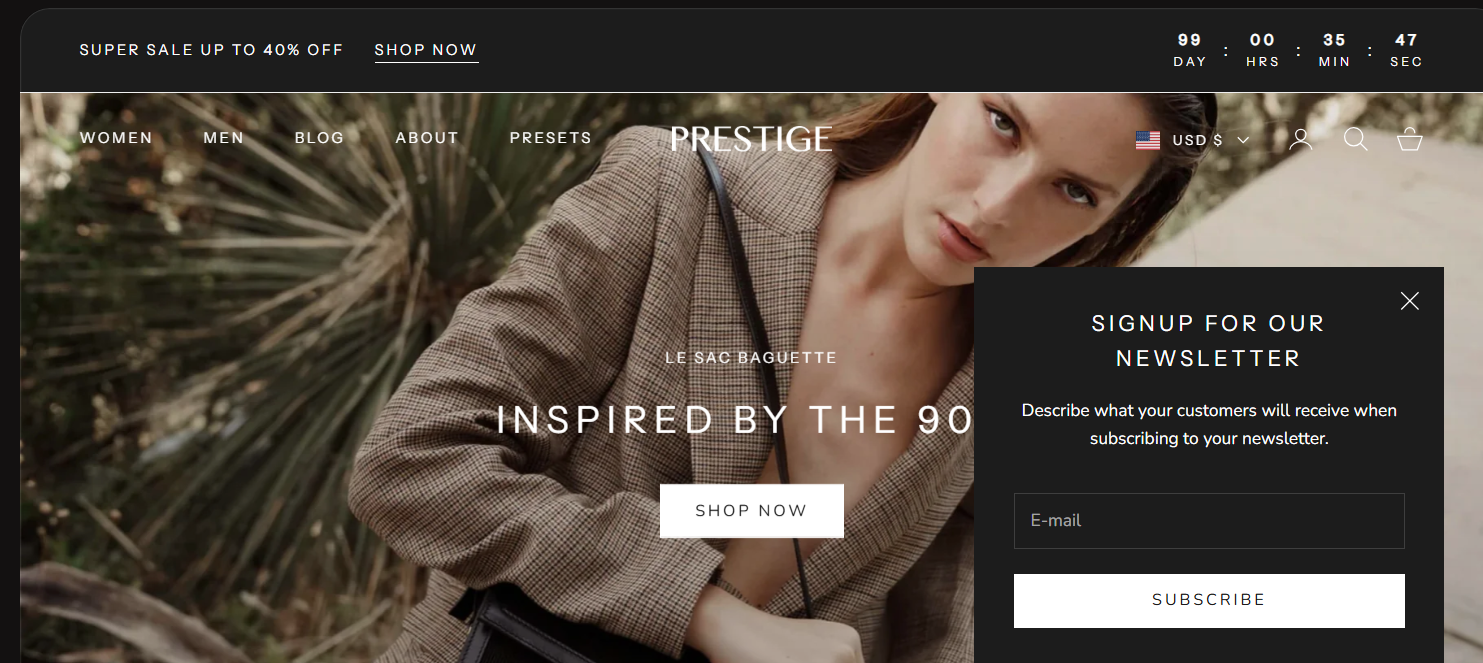
Read time: 11 minutes | If you’ve been exploring Shopify themes and Prestige has caught your attention, you’re looking at one of the platform’s most polished options. Created by Maestrooo and priced at $400, Prestige combines elegant design with powerful selling features, making it especially well-suited for premium and luxury brands. What Is the Prestige […]
Prestige Shopify Theme Review for High-End and Luxury Brands: Vogue vs. Strass
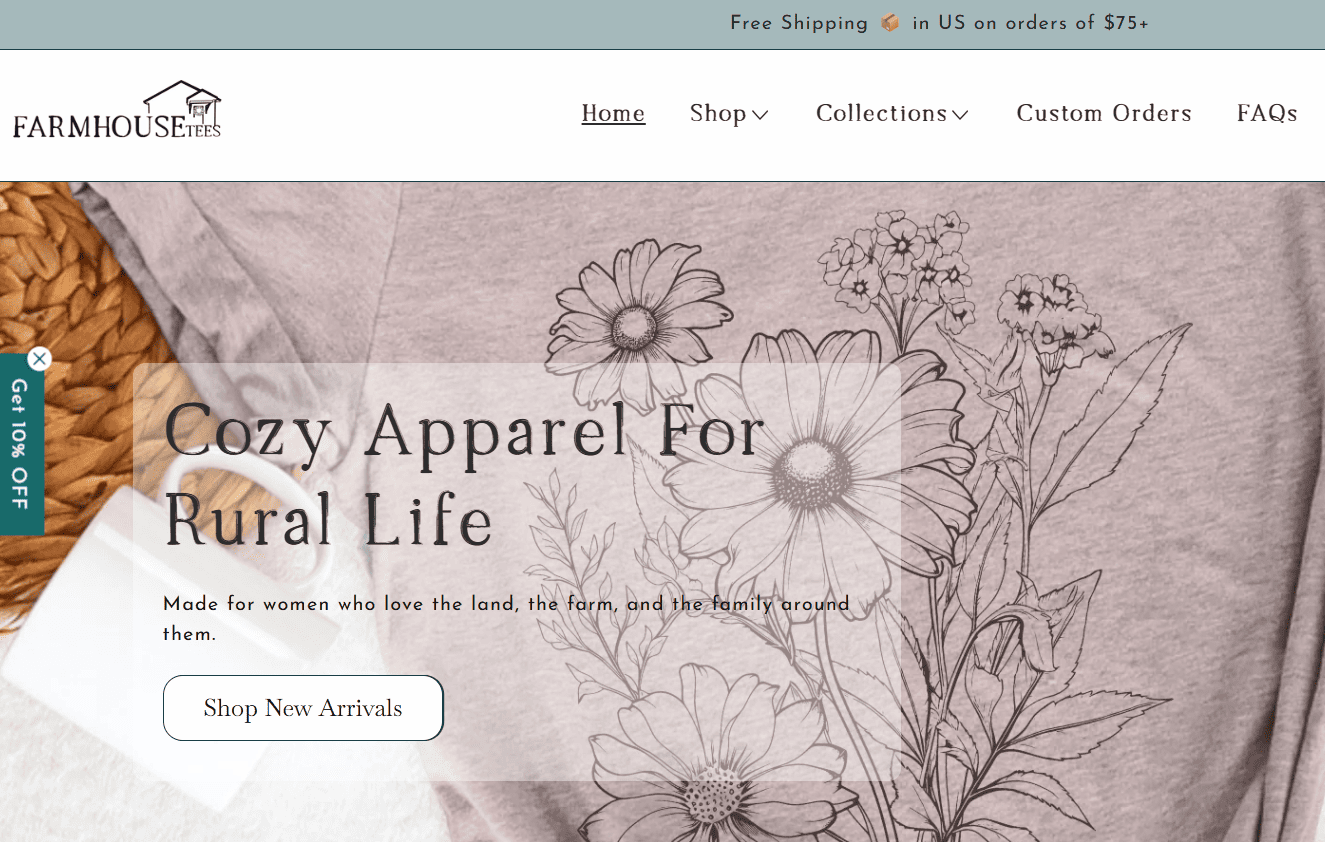
Free Shopify Website Themes vs. Premium Shopify Themes: How to Know When It’s Time to Upgrade
Read time: 12 minutes | Starting with a free website theme is a smart choice for many new businesses, but what happens when your business begins to outgrow it? In this post, I’ll talk about free themes and premium website themes, look at a real before-and-after transformation, and walk through the signs that it may […]
Eurus Shopify Theme Review: Hue vs Breeze Preset designs
Read time: 12 min read | If you’ve been researching Shopify themes and landed on Eurus, you’re already looking in the right direction. Built by BSS Commerce and priced at $350, Eurus is one of the most feature-rich, conversion-focused themes on the Shopify Theme Store. One Theme, Two Personalities: Hue vs. Breeze This review focuses […]
Read Time: 5 minutes | This post makes the case for email marketing as a non-negotiable business tool for both e-commerce and service-based brands. Supporting data from the 2026 Omnisend e-commerce Marketing Report is woven in as evidence. The post also includes an email platform comparison and also speaks directly to service-based businesses. Email marketing […]
Email Marketing for E-Commerce: The ROI Stats That Will Surprise You

Visual Perception: What Your Website Is Communicating Before You Say a Word
Read time: 7 minutes | Most businesses focus on what their website says. The more important question is what it communicates before anyone starts reading. Learn how the visual experience of your site shapes trust, credibility, and whether a potential client decides to stay or move on. Every Visual Choice on Your Website Sends a […]
The Best Communicator Always Wins: Why Your Product or Service Does Not Sell Itself
Read time: 5 minutes | This post challenges the common belief that a great product or service sells itself. Using the lens of perception design, hear why the best communicator always wins in today’s online marketplace and what that means for all businesses, including health and wellness practitioners, equestrian and ranch businesses, and product-based brands. […]
Read time: 5 minutes | Professionally designed website templates are one of the smartest investments a small business owner can make. Start with a strong foundation that was built by someone who already figured out the layout, the flow, the placement of testimonials, and the calls to action that actually convert. Preview three niche Curated […]
Showit’s Best-Kept Secret to Looking Pro Online: + 3 Niche Website Templates


5 Showit Website Templates: Built for Health & Wellness Practitioners
Read time: 6 minutes | In wellness, your website actually affects how someone feels while they’re on your site. A breakdown of the five Showit website templates for health coaches, nutritionists, chiropractors, functional medicine providers, and holistic practitioners. What to Look for in a Health & Wellness Website Template Before diving into the templates, it’s […]
Disclosure: This page may contain affiliate links and I may receive a small commissions from purchases made through links at no additional cost to you. I only recommend products I would use myself and all opinions expressed here are our own.

Visual + Content
Your website should create that essential "pause-and-engage" impact on visitors, encouraging them to browse all of your pages.
